From Farm to Table: Our Story and Practices
In a world where food choices are abundant yet often disconnected from their origins, we believe in the power of transparency and sustainability. Our journey from farm to table is not just about providing fresh produce; it’s about fostering a connection between consumers and the land that nourishes them. This blog post will take you through our practices, the values we uphold, and the story behind our commitment to quality and sustainability.
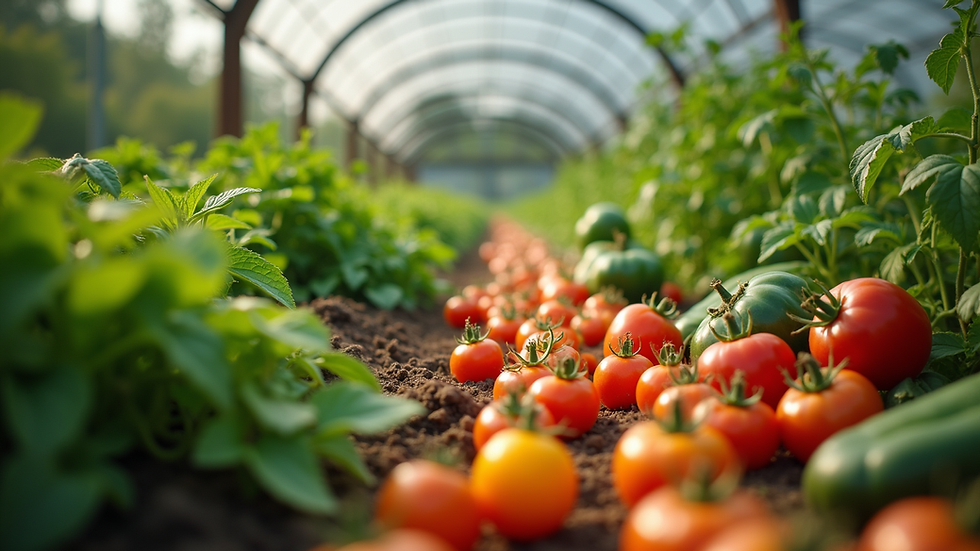
Our Roots: The Beginning of Our Journey
Every great story has a beginning, and ours starts with a passion for agriculture and a desire to make a difference. Founded by a family of farmers, our business was born out of a love for the land and a commitment to sustainable practices. We recognized early on that the way we grow food impacts not only our health but also the environment.
The Importance of Sustainable Farming
Sustainable farming is at the heart of what we do. It involves practices that maintain the health of the land, the ecosystem, and the communities we serve. Here are some key principles we follow:
Crop Rotation: This practice helps maintain soil fertility and reduces pest and disease buildup. By rotating crops, we ensure that our soil remains rich in nutrients.
Organic Practices: We avoid synthetic pesticides and fertilizers, opting instead for natural alternatives. This not only protects the environment but also ensures that our produce is safe for consumption.
Water Conservation: We implement efficient irrigation systems to minimize water waste. This is crucial in preserving our most valuable resource.
The Farm: A Living Ecosystem
Our farm is more than just a place where crops are grown; it’s a living ecosystem. We believe in biodiversity, which means cultivating a variety of plants that support each other and the environment. This approach not only enhances the flavor of our produce but also promotes resilience against pests and diseases.
The Role of Technology in Modern Farming
While we honor traditional farming methods, we also embrace technology to improve our practices. Here are some ways technology plays a role in our operations:
Soil Sensors: These devices help us monitor soil moisture and nutrient levels, allowing us to make informed decisions about irrigation and fertilization.
Drones: We use drones to survey our fields, identifying areas that need attention and optimizing our resources.
Data Analytics: By analyzing data from our farming practices, we can continuously improve our methods and yield.
Harvesting: The Heart of Our Operations
Harvesting is a critical phase in our farm-to-table journey. It’s not just about picking fruits and vegetables; it’s about timing and care. We harvest our produce at the peak of ripeness to ensure maximum flavor and nutritional value.
The Importance of Hand-Picking
While some farms may use machinery for harvesting, we believe in the value of hand-picking. This method allows us to select only the best produce and minimizes damage. Our dedicated team is trained to recognize when each crop is ready, ensuring that our customers receive the highest quality products.
From Farm to Table: Our Distribution Practices
Once harvested, our produce is quickly transported to local markets and restaurants. We prioritize short supply chains to ensure freshness. Here’s how we manage our distribution:
Local Partnerships: We work closely with local markets and restaurants, fostering relationships that benefit both parties. This not only supports the local economy but also reduces our carbon footprint.
Direct Sales: We offer direct sales to consumers through our farm stand and online ordering system. This allows us to connect directly with our customers and share our story.
The Importance of Community Engagement
We believe that our success is tied to the community we serve. Engaging with our community is essential to our mission. Here are some ways we connect with our customers:
Farm Tours: We invite the community to visit our farm, offering tours that educate visitors about sustainable farming practices and the importance of local food systems.
Workshops: We host workshops on gardening, cooking, and preserving food, empowering individuals to take control of their food choices.
Volunteer Opportunities: We encourage community involvement through volunteer days, where individuals can help with planting, harvesting, and other farm activities.
The Impact of Our Practices
Our commitment to sustainable farming and community engagement has yielded positive results. Here are some key impacts we’ve observed:
Healthier Produce: Our customers report that our fruits and vegetables taste better and are more nutritious than those from conventional sources.
Environmental Benefits: By practicing sustainable farming, we contribute to soil health, water conservation, and biodiversity.
Stronger Community Ties: Our efforts to engage with the community have fostered a sense of belonging and support among our customers.
Looking Ahead: Our Vision for the Future
As we look to the future, we remain committed to our core values of sustainability, quality, and community. Here are some goals we aim to achieve:
Expand Our Reach: We plan to increase our distribution channels, making our produce accessible to more people while maintaining our commitment to local sourcing.
Innovate Our Practices: We will continue to explore new technologies and methods that enhance our farming practices and reduce our environmental impact.
Strengthen Community Connections: We aim to deepen our engagement with the community through more educational programs and partnerships.
Conclusion: Join Us on Our Journey
Our story is one of passion, dedication, and a commitment to making a difference. From farm to table, we strive to provide fresh, sustainable produce while fostering a connection between our customers and the land. We invite you to join us on this journey, whether by visiting our farm, supporting local markets, or simply choosing to eat sustainably. Together, we can create a healthier future for ourselves and our planet.


Comments